What is it?
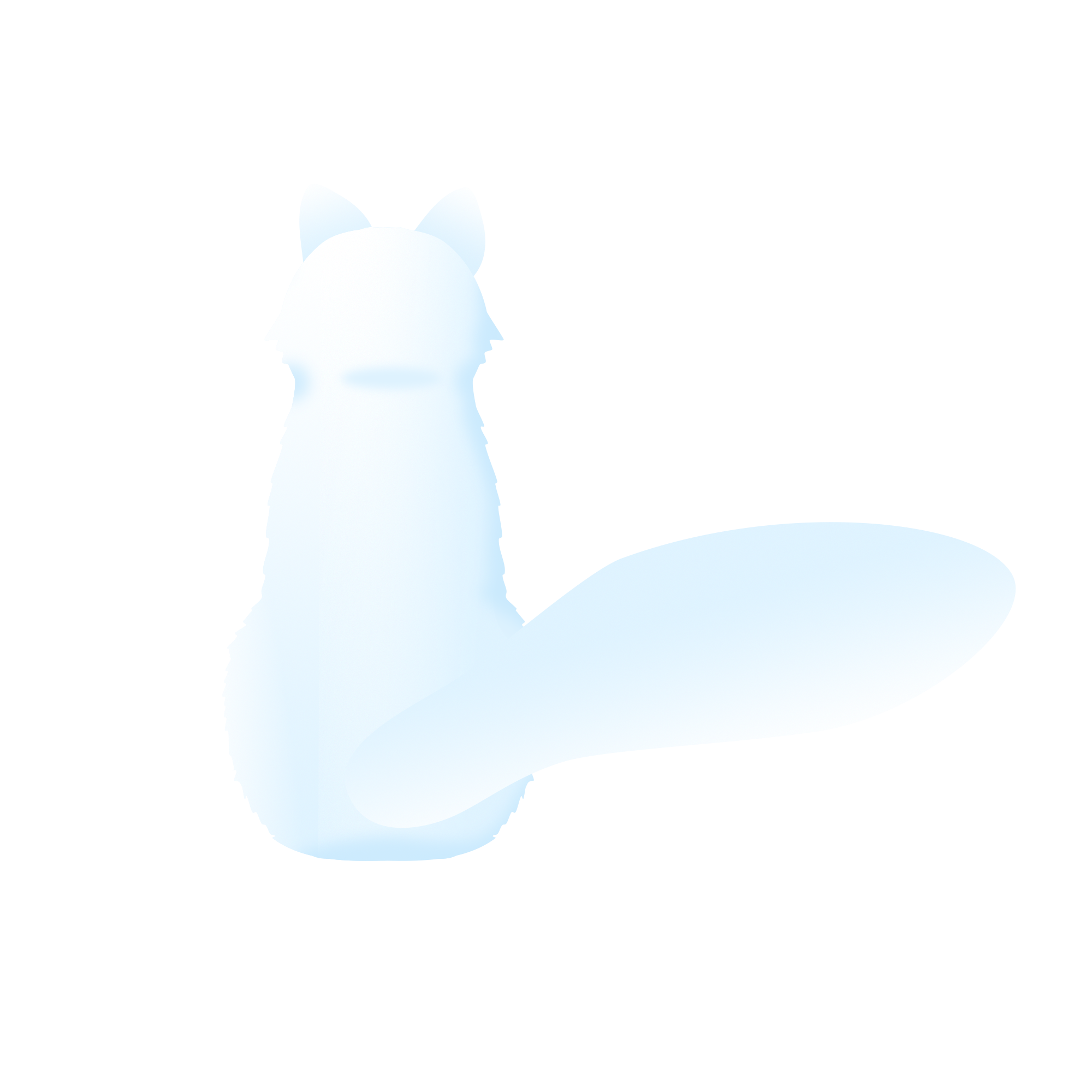
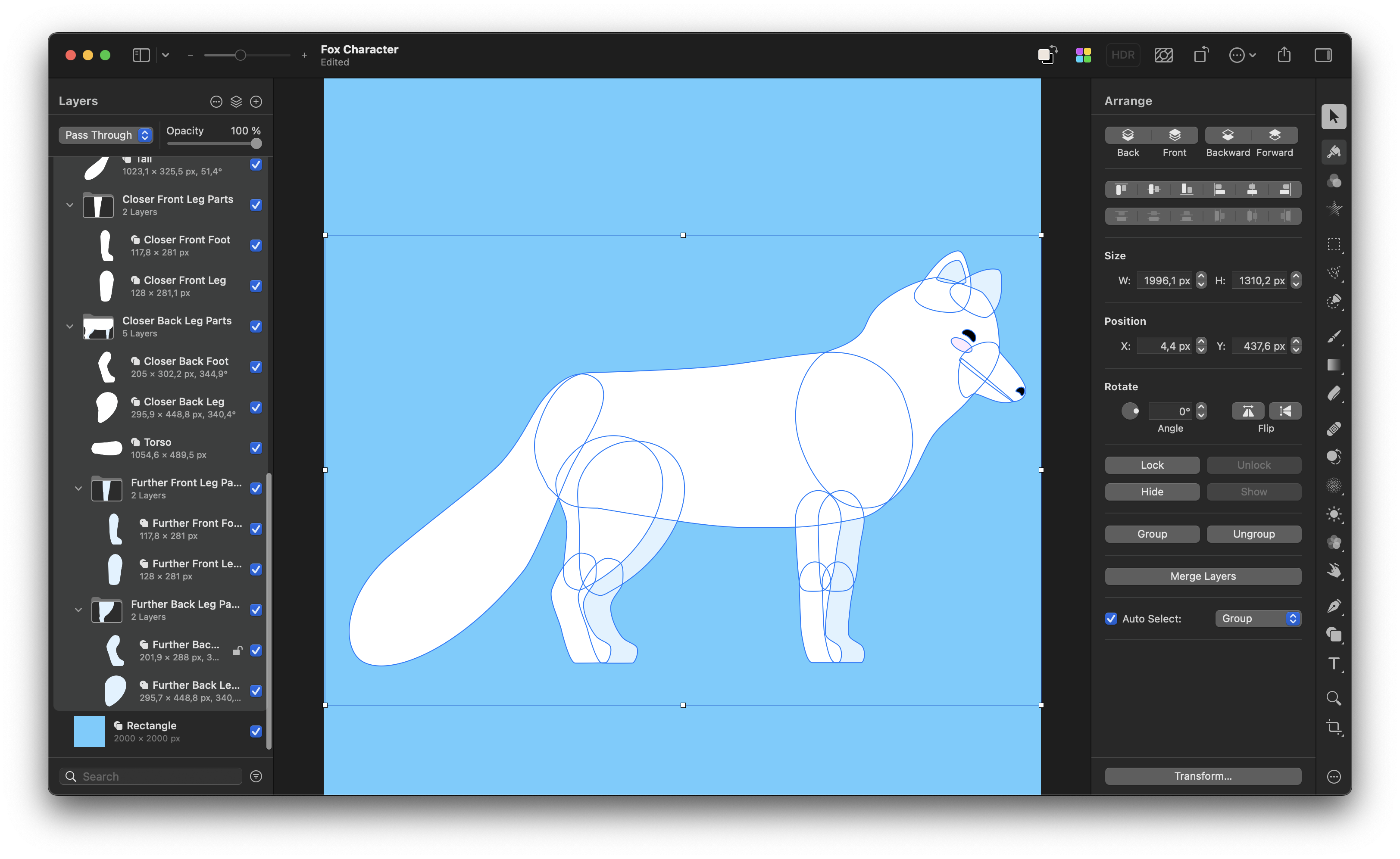
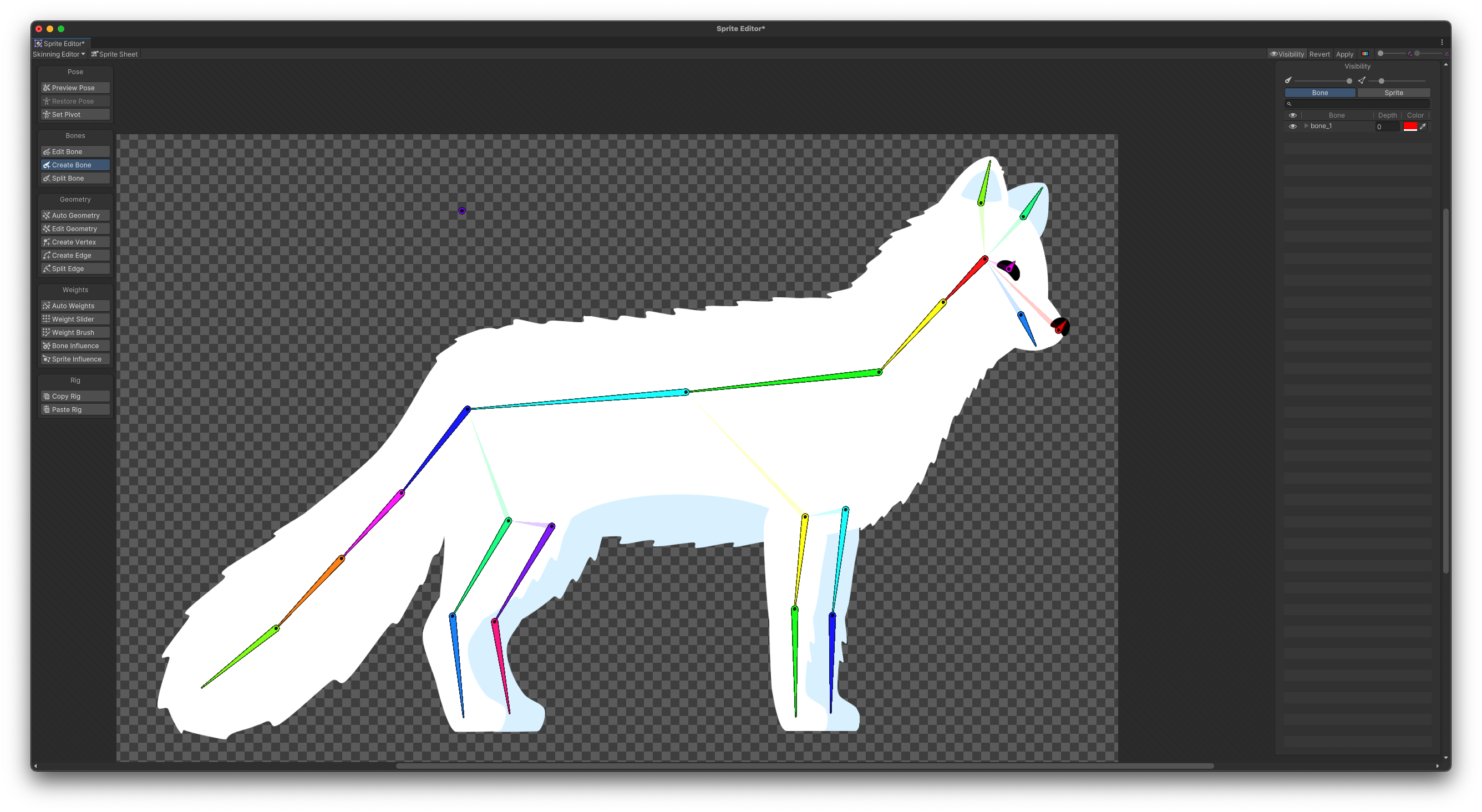
Aurora Quest is a 2D platformer built in Unity over six weeks as a solo project for my Entertainment Computing course at Universität Bremen. You play as Anuri, a small arctic fox whose partner has been abducted by human researchers. Left alone in the frozen wilderness, Anuri is gifted with the power of the northern lights — and the quest begins.
The game blends classic platforming with a light-based ability system. The aurora shifts color as you progress, and each color grants a different skill: blue freezes nearby objects and moving platforms, green unlocks a forward dash, and red powers up your attack to defeat tougher enemies. Only one skill can be active at a time, which turns level navigation into a small but deliberate puzzle.
The Idea
The semester theme was Unlikely Heroes — ordinary creatures thrust into extraordinary circumstances. An arctic fox felt like a natural fit: small, vulnerable, but capable of something remarkable. The northern lights added the mythological dimension I was looking for. In many Arctic cultures the aurora is seen as a living force, a spiritual presence — so making it the literal source of Anuri's power grounded the fantasy in something real.
The visual and audio inspirations were Ori and the Blind Forest and Spiritfarer — both games that use a 2D painterly aesthetic and emotional storytelling to pull you into their worlds. I wanted that same quality of atmosphere: melancholic, quiet, beautiful, with rare human intrusion as the threat.
Building It
Development started with the core character controller — movement, jumping, and a basic attack — then layered in the aurora skill system on top. Each skill is a self-contained behaviour that swaps in and out depending on which color the aurora currently is, which kept the code modular and easy to extend.
Enemies (polar bears and arctic wolves) use simple pathfinding: detect the player, close in, attack. The bigger design challenge was making the skill colors feel meaningful inside the level geometry — freeze-able platforms, gaps that require the dash, enemies that only go down with the red attack.
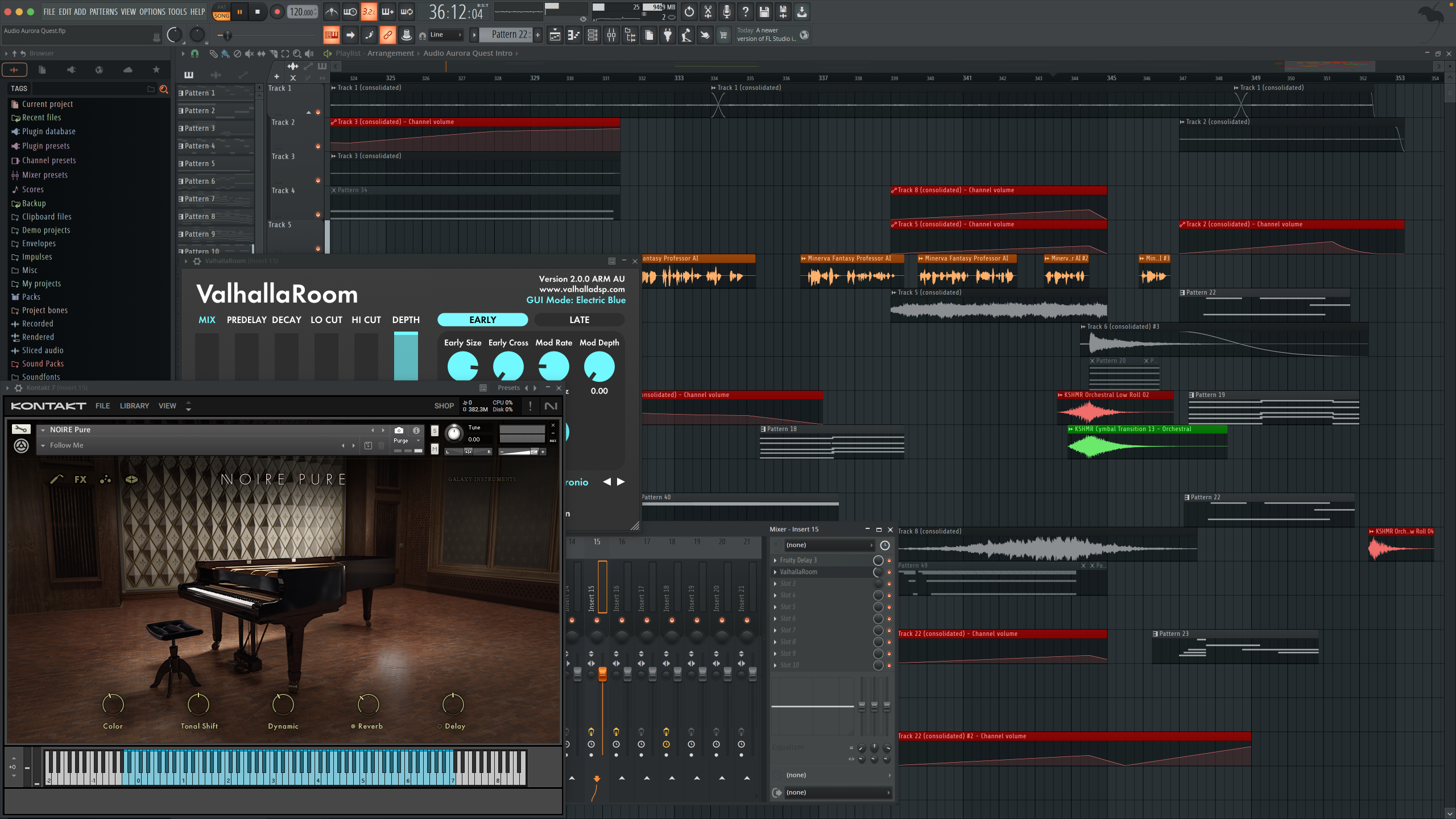
The audio direction followed the same mood as the visuals: ambient nature sounds, fox vocalisations tied to gameplay states, and a subtle soundtrack inspired by Gareth Coker's work on Ori.
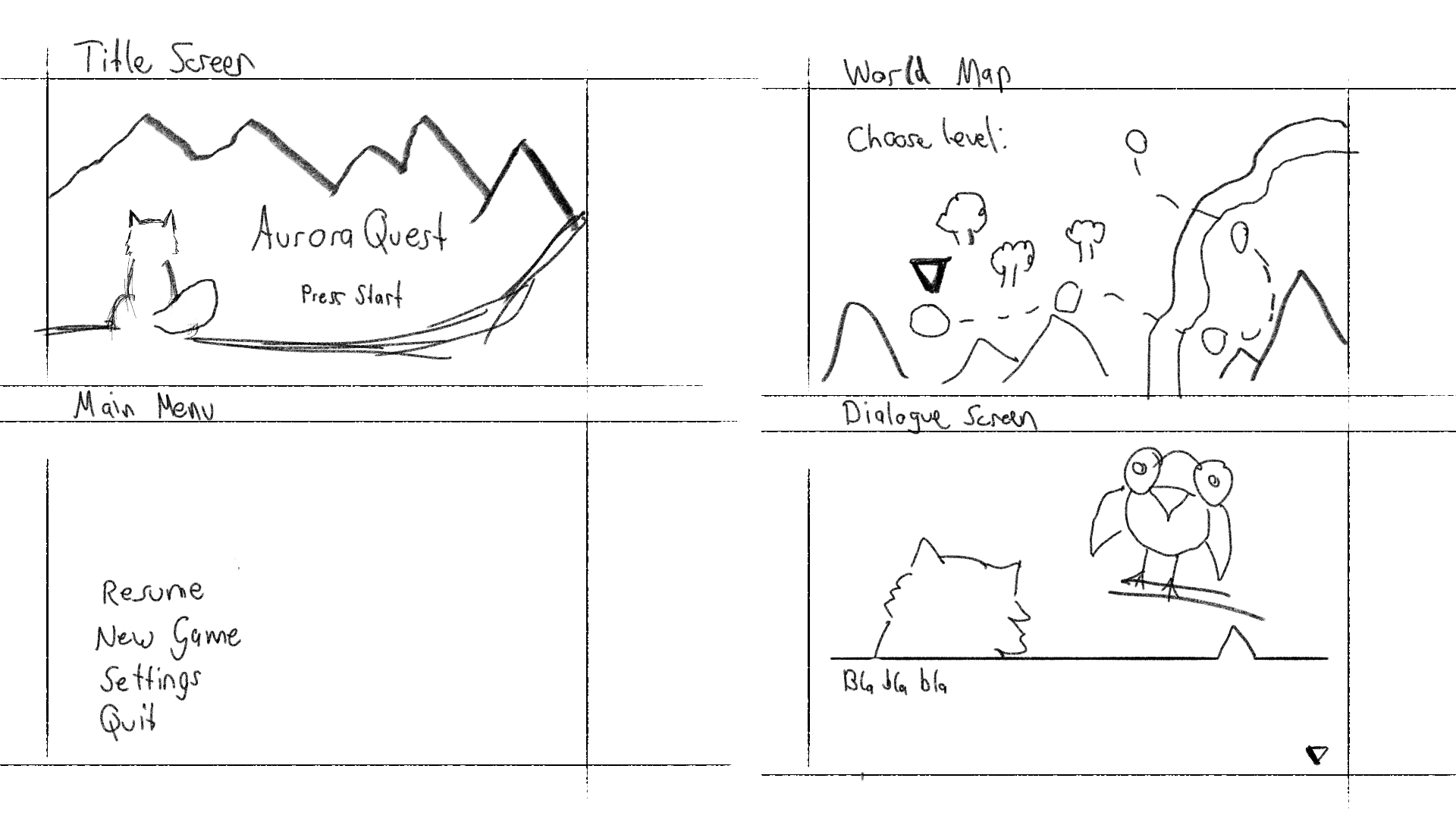
The final build includes a world map for level selection, a checkpoint and save system, a title screen, pause and game-over flows, and three playable levels with a boss encounter. The project was submitted in Unity 2022.3.24f1.